 Bora Bora Snorkeling
What to Bring Snorkeling in Bora Bora
What to bring snorkeling in Bora Bora is a smaller question than it looks, because the operators solved the hard part: mask, snorkel and fins are included on every listing compared here in the comparison, and half of them have towels included. What is left to pack is the stuff the lagoon punishes you for forgetting - sun protection that will not harm the reef, footwear for rubble and hot sand, a dry shirt for the ride home - plus the two items reviews say travellers regretted leaving behind. This guide assembles the operators' own lists into one, and marks the pieces that turn a good water day into a great one. When the bag is packed, the Bora Bora snorkel tours compared with gear in mind pick the boat.
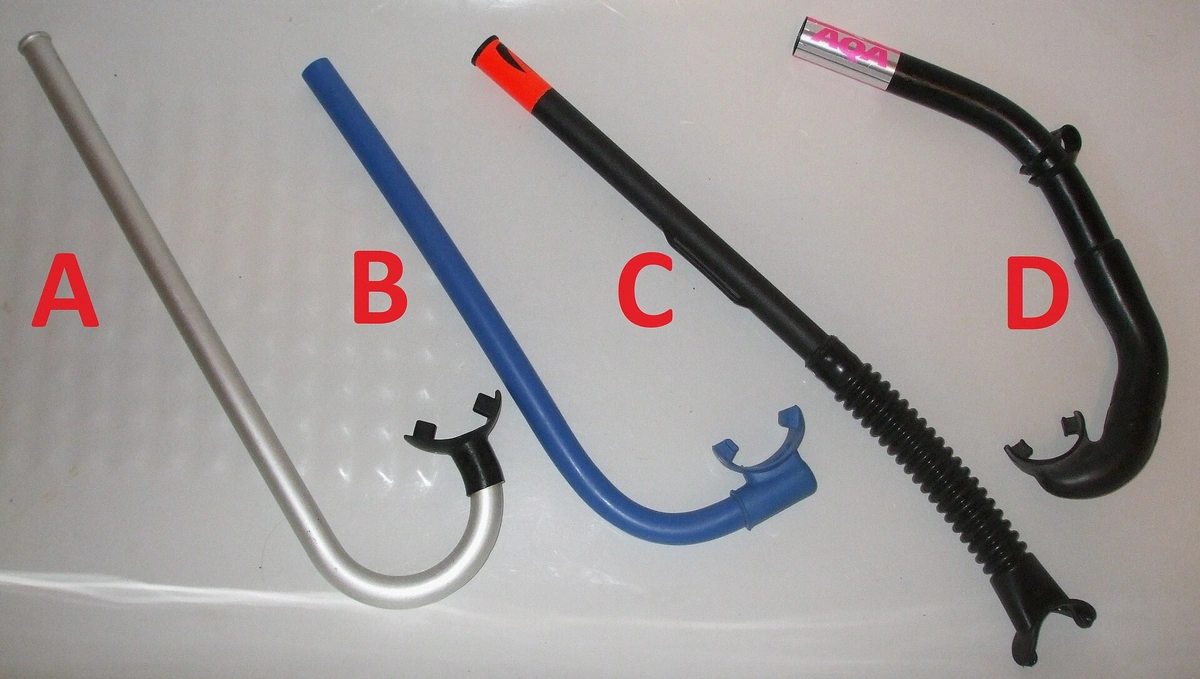
The kit that travels: mask, snorkel, fins - included on every boat here. The rest is your bag. Photo: Wikimedia Commons - see notes/commons-attribution.json.
Quick answer What the boats already include, the five things you must bring, and the two items reviews miss
For a Bora Bora snorkel boat, bring: biodegradable sunscreen (reef-safe, applied before you arrive), a hat and sunglasses, water shoes, swimwear worn under clothes, and a dry shirt for the ride home. The boats provide mask, snorkel and fins on every listing compared here, towels on four of them, and drinks on most. The two items reviews say people regret skipping: their own mask if they own one, and a floating strap for the camera - a GoPro sinks fast in 29-degree water.
Key takeaways
- Gear solved on every boat - the real packing decision is which boat: the full Bora Bora trip comparison before you pack.
- The sun maths changes with the season: the Bora Bora snorkel season guide shows which months burn hardest.
What the Boats Already Include
Seven listings, one shared baseline: every operator in the comparison includes mask, snorkel and fins - Reef Discovery's listing is explicit about towels too, and sizes fins to the shoe sizes you give at booking. Drinks run from bottled water (H2O, Moana) to a full cooler of water, juice and soda (the Rohivai boats, Lagoon Service). Food splits the field: the two full-days serve a real meal, Rohivai's half-day adds fresh fruit, Lagoon Service carries a light snack.
The table is the inclusion map.
The inclusion map, listing by listing
Read from each listing's panel in September 2026 - the packing list starts with what you will not need.
| Listing | Gear | Towel | Food and drink |
|---|---|---|---|
| Reef Discovery | Mask, snorkel, fins | Yes | Water and soda |
| H2O | On request | No | Bottled water |
| Vavau full-day | Mask, snorkel | No | BBQ lunch; drinks beyond meal service not listed |
| Moana eco | Mask, snorkel (own recommended) | No | Bottled water |
| Rohivai full-day | Mask, snorkel, fins (size at booking) | Yes | Motu picnic; water, juice, soda |
| Rohivai half-day | Mask, snorkel, fins (shoe size) | Yes | Fresh fruit; water, juice, soda |
| Lagoon Service | Mask, snorkel, fins, life vest | Yes | Light snack; water, juice, soda |
Sun: The Only Hazard That Bites Every Day
The lagoon concentrates sunlight three ways: tropical latitude, a white-sand mirror under you, and a breeze on the boat that hides how much you are getting. A Bora Bora water day burns travellers who would never burn at home, and it burns them in the two places the water exposes most - the backs of the legs and the back of the neck. The operators' listings agree on the protocol: sunscreen on before you board, reapplied after every swim, hat and sunglasses for the boat between stops. Tahiti Tourisme's practical advice makes the same point for every lagoon activity on the island.
Biodegradable sunscreen, explained
Lagoon Service's listing asks for biodegradable sunscreen by name, and the reason is chemistry rather than marketing: the shallow coral gardens you will swim over sit in water that barely flushes, and common sunscreen ingredients - oxybenzone and octinoxate among them - stress coral polyps at concentrations swimmers actually produce. Biodegradable or reef-safe formulations avoid the worst offenders. The protocol that works:
- Apply the first coat 20-30 minutes before boarding - it binds to skin, not to water
- Reapply after every swim, on legs, neck, ears and the part in your hair
- Rash vests replace sunscreen on the torso - one garment, all-day protection, no reapplication
- After-sun or aloe in the room bag: the souvenir of a forgotten reaplication is a lost evening
Gear: What to Carry and What to Leave
The boat carries the swimming kit; the bag carries the comfort kit. Between the operators' packing notes - Rohivai asks for water shoes, hat, sunglasses, camera, swimwear and biodegradable sunscreen in one line - and the review record's repeated regrets, the reliable list fits in a daypack.
The reliable list
Ten items, tested across the comparison's reviews.
- Biodegradable sunscreen - the listing-named item, and the first thing the boat shop sells when you forget
- Hat and sunglasses - the boat's midday deck is shadeless on most hulls
- Water shoes - rubble at the launch points and hot sand on the motus; the Rohivai listing asks for them by name
- Swimwear worn under your clothes - dry changing space on small boats is theoretical
- Dry shirt or light cover-up for the ride home - the wind-chill item that feels ridiculous until it feels essential
- Your own mask if you own one - see the mask question in the gear section
- Camera with a floating strap - see the camera note in the on-the-boat section
- Cash for gratuities - optional on every listing, customary when the crew made the day
- A bar or snack on the no-food boats - H2O and Moana run water only
- A small dry bag for phone and documents - the deck gets wet; that is the point of the day
The mask question, answered properly
Every boat carries loaner masks, and most travellers swim happily in them. The honest case for your own mask is fit: a mask that seals on your face at the shop seals in the lagoon, and a leaking loaner costs you the best minutes of the garden stop. Reviewers on both sides of the question agree on the middle path - if you own a mask that has worked before, bring it; if not, the loaners are serviceable and the crew will swap a bad fit.
Fins are a different matter: travel fins are worse than boat fins in every case, so leave yours unless you are a professional.
Rinse, dry, store: the evening five minutes
Gear care on a lagoon trip is five minutes at the end of the day, and it doubles the life of everything in the bag. Rinse the mask, fins and camera case in fresh water - salt keeps crystallizing long after the deck dries. Hang the swimsuit and rash vest out of the sun; neoprene and elastane both die in a rolled wet heap.
Empty and dry the cooler bag that rode the deck. And check the camera case's seal before it goes back on, not after it goes under: the grit of one sandy zip is the leak the next swim finds. Five minutes, four items, and the bag is ready for tomorrow's boat without a thought.
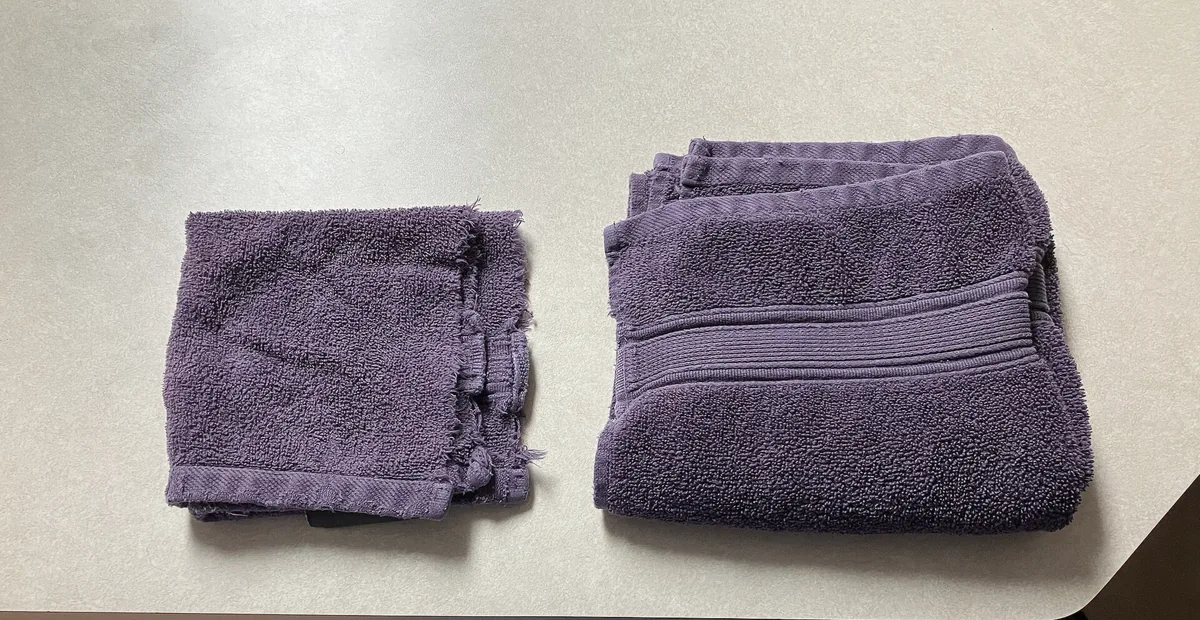
The towel question, settled by the table above: four listings include them, three do not - pack accordingly. Photo: Wikimedia Commons - see notes/commons-attribution.json.
On the Boat: The Details That Change the Day
Three small logistics separate smooth days from scrambled ones, and all three live in the hour before boarding.
Camera strategy
The lagoon is a camera trap: stingrays at arm's length, sharks at the sandbar's edge, clams in neon. One GoPro lives at the bottom of this lagoon most weeks - a 2026 review on the H2O listing describes a guide diving for a drowned camera and recovering it, which is either a service story or a warning depending on your strap. A floating wrist strap costs less than lunch; a tethered phone case does the same job for phone shooters.
And the review consensus on the half-days: the crew will shoot photos of your group if asked - ask.
Cash, cards and the platform app
Bookings are prepaid - nothing is owed at the dock except optional gratuities, which cash handles most gracefully. The platform's app on your phone carries the booking, the meeting point and the message thread the operator may use for last-minute notes - the same thread one 2025 review teaches you to read the evening before.
The morning-of checklist
Eighty seconds, in order: sunscreen on (before dressing), swimwear under clothes, dry shirt and hat in the bag, water shoes on, camera strapped, booking open on the phone. Travellers who run this list board calm; travellers who improvise it meet the one boat that leaves four minutes early.
Leave Behind: What the Lagoon Does Not Want
The do-not-bring list is shorter and more important than the packing list. Single-use plastic bags are restricted across French Polynesia - leave them home. Harsh sunscreens with oxybenzone harm exactly the gardens you came to see.
Drone rules on the motus and private islands are the operator's, not yours - ask before flying. And the listings' own not-allowed lines are worth reading once: Rohivai bans alcohol and feeding the animals; H2O's medical rules (70-plus certificate, not-suitable-over-80) exist so that nobody discovers them at the ladder. The lagoon is a lightly managed wilderness; the list is how it stays one.
The no-list
Five items that stay home or stay in the bag.
- Non-reef-safe sunscreen - the listing-named exclusion
- Plastic bags - restricted in French Polynesia
- Feeding anything - illegal in French Polynesia since October 2017 and on the listings' not-allowed lines
- Alcohol - on the Rohivai boats' not-allowed list, and the water does not need help
- Departure-day bravado about sun protection - the burns Bora Bora hands out arrive on flight day
The Sun Protocol, Hour by Hour
Sun on a lagoon day is arithmetic, and the numbers favour nobody: a tropical midday sun, a white-sand reflector below, water droplets that focus it, and a breeze that hides the burn until the boat ride home. The operators' listings answer with a packing line - hat, sunglasses, biodegradable sunscreen - and the travellers' reviews answer with the protocol that actually works: sunscreen is a schedule, not a tube. Apply before you dress at the hotel, reapply at the first stop's end, again at lunch, again after the last swim.
A four-hour half-day takes three applications; a six-hour full-day takes four.
The schedule that works
One line per application, against a typical morning boat.
| When | What you apply | Why then |
|---|---|---|
| Hotel, before dressing | Full coat, everywhere the swimwear will not cover | Binds to skin; the boat's first splash does not strip it |
| After stop one | Reapply legs, neck, ears | The first swim removes the first coat's weakest hour |
| Lunch or the fruit stop | Reapply plus lips and the part in your hair | Midday UV peaks while you sit still |
| After the last swim | After-sun or aloe back at the room | Closes the day before the evening notices it |
Footwear and the bottom: sand, rubble, coral
The Rohivai listing asks for water shoes by name, and the reason hides in the lagoon's floor plan. The sandbars are soft and hot - sand at midday burns bare feet faster than the sun burns skin. The launch points at docks and motus hide coral rubble that cuts like broken plate.
And the gardens themselves are living animal: standing on a coral head kills the polyps under your arch, which is why guides say fins off or float neutral over the gardens. The kit answer is one pair of hard-soled reef shoes worn from the dock to the first stop and stowed in the day bag after; the behaviour answer is the guides' line - shuffle on sand, swim over reef, never stand on stone that bleeds.
Camera kit: from phone to GoPro
The lagoon rewards camera strategy more than camera budget. A modern phone in a floating case shoots the sandbar encounters honestly - the rays come close enough that wide-angle is the natural framing - and costs nothing extra if the case survives. A GoPro or a compact underwater camera earns its keep at the gardens, where the light, the clams and the fish schools reward a proper lens, and at the manta channel, where the animal is wider than a phone's frame.
The tether rule is absolute: every week a GoPro sinks here - one 2026 review on the H2O listing describes a guide diving to recover a guest's drowned camera, which is a service story and also the whole warning. The review consensus on half-day boats: ask the crew to shoot your group; they know the angles, and the photos land on your phone before the dock.
The Dry Bag Inventory: One Zip, Ten Items
The day bag that rides the boat wants one organizing idea: salt finds everything, so the bag splits into dry and will-get-wet, and only the second half needs to be within reach. The dry half: your shirt for the ride home, the after-sun, the room key in its zip pocket, cash in a small note. The wet half - the bag you carry to the rail: the reef shoes you will kick off at the ladder, the spare sunscreen stick, the camera on its tether, the strap of the mask you brought.
One zip between them, opened once at the dock and once at the return. Travellers who run this split describe the boat day as frictionless; travellers who pack one mixed bag spend the day excavating.
Bags, cases and the salt problem
Salt water is a patient solvent, and the gear that fails on a lagoon trip fails at its zips, ports and hinges. The defence is boring and complete: a roll-top dry bag for the wet half, a zip-lock for the phone even inside its case, a rinse of any camera at fresh water the same evening, and no jewelry to the reef - rings abrade coral and lose fingers their skin. Electronics that are not waterproof stay on the boat in the dry half; the lagoon photographs better through a cheap dedicated camera than through a bricked phone.
And the suit that swam in the morning rinses in the evening - salt left in neoprene eats the stretch, and the next trip's bag thanks this trip's five minutes.
Prescriptions, Ears and the Doctor Question
Snorkeling is surface swimming, but a lagoon week still asks two medical questions worth settling before the flight. Ears: freediving a metre down to photograph a clam compresses air in the middle ear, and travellers who cannot equalise - or who swim with an untreated ear infection - should stay at the surface and surface often; the guides' briefings include the equalise-early habit, and a traveller with a history of ear trouble packs decongestants and asks a doctor before the trip rather than a boat after it. Prescriptions: motion-sickness tablets matter on no boat in this comparison more than a speedboat's fifteen-minute run, but they do earn their place on the full-days, and seasickness remedies are a pack-with-the-passports item.
The listings' own medical lines - H2O's over-70 certificate, the pregnancy exclusions - are printed on the booking pages; the traveller's doctor settles the rest in a five-minute call that no checkout screen can.
The pre-trip five-minute call
What to ask, for whom.
- Equalisation history - any trouble clearing ears, and the remedy plan that follows
- Seasickness remedies - which tablet, taken how early, safe with your other prescriptions
- Sun-sensitivity - medications that react with tropical sun change the packing list
- The listings' printed lines - over-70 certificates, pregnancy exclusions - confirmed against your group
What to Bring: FAQ
What should I bring snorkeling in Bora Bora?
The reliable ten: biodegradable sunscreen, hat, sunglasses, water shoes, swimwear under clothes, a dry shirt, your own mask if you own one, a camera on a floating strap, cash for gratuities, and a small dry bag. Gear and (on four listings) towels come with the boat - the inclusion map shows which.
Do I need my own snorkel gear in Bora Bora?
No - mask, snorkel and fins are included on every listing compared here. Bring your own mask only if you own one that already fits your face; loaner leaks are the reviews' most common gear complaint, and a personal mask is the cheap insurance. Leave travel fins home - boat fins outperform them.
What sunscreen is allowed in French Polynesia?
Biodegradable, reef-safe sunscreen - Lagoon Service's listing asks for it by name, and the shallow gardens you swim over are the reason. Avoid oxybenzone and octinoxate formulas; apply before boarding and reapply after every swim.
Do I need water shoes in Bora Bora?
On a snorkel boat day, yes - the Rohivai listing asks for them by name, and the launch points and motu beaches hide coral rubble and hot sand. An old pair of reef shoes or strapped sandals does the job; flip-flops stay on the boat deck.
Is a wetsuit needed for snorkeling in Bora Bora?
No - the lagoon runs 26-29 °C year-round. A rash vest is the standard answer for long days and photo stops; a shorty suits cold-sensitive swimmers on three-swim itineraries. The wind chill on the boat between stops is the real cold - the dry shirt in the reliable ten covers it.
Should I bring cash on a Bora Bora snorkel boat?
A little, for gratuities - optional on every listing in the comparison, customary when the crew made the day. The booking itself is prepaid on the platform, so the boat needs nothing from your card; the village after the tour is where cards and cash both come back into play.